
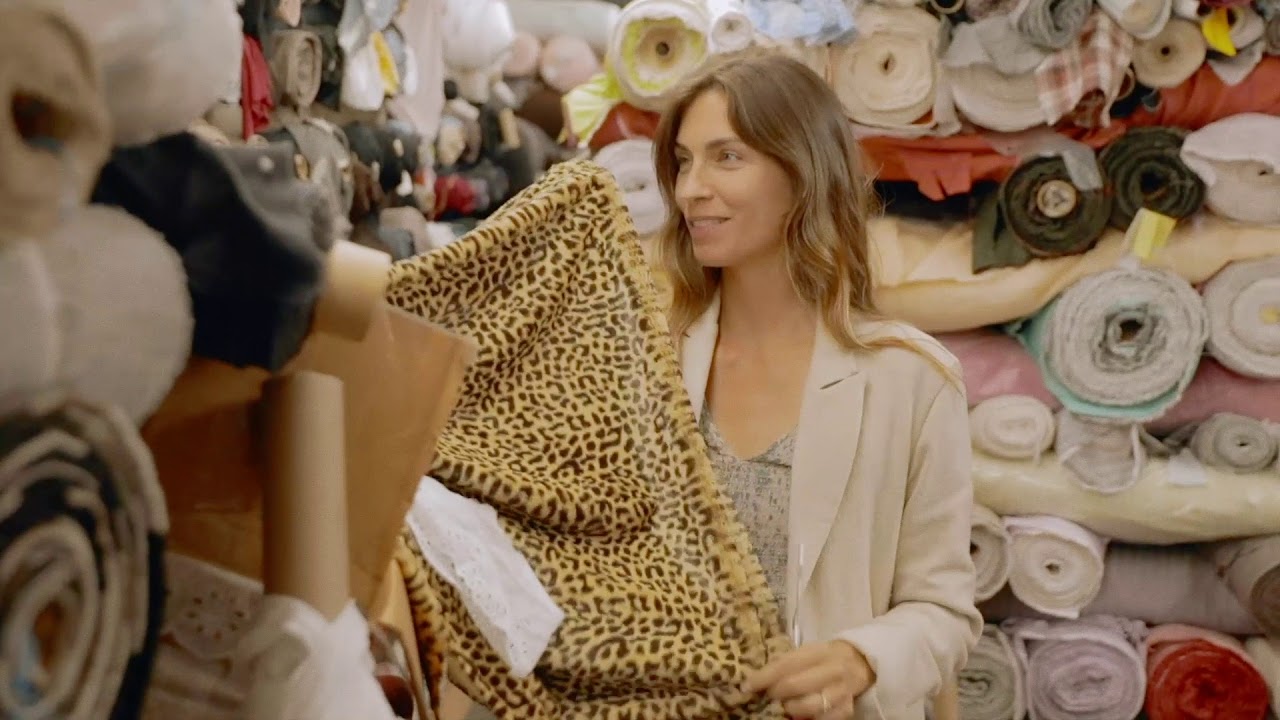
Dead Stock Fabric: Discover a hidden treasure trove of exquisite fabrics with our collection of dead stock fabric. Unearthed from the depths of forgotten warehouses and factories, these fabrics hold a unique story waiting to be told. With limited quantities available, each piece is a rare gem, offering a chance to own a truly one-of-a-kind creation. Our dead stock fabric selection showcases a diverse range of materials, from luxurious silks to cozy wool blends, all carefully curated for their exceptional quality and timeless appeal. Embrace sustainability with these eco-friendly fabrics, as they breathe new life into forgotten textile treasures, reducing waste and contributing to a more sustainable fashion industry. The distinctive character of dead stock fabric lies in its history, as it carries the legacy of past designs, artisans, and eras. Whether you’re a fashion enthusiast, a designer seeking unique materials, or simply someone with an appreciation for hidden beauty, our dead stock fabric collection is sure to captivate your imagination. Embrace the allure of these forgotten fabrics and bring a touch of history and sustainability to your next creative project.
The Basics of Dead Stock Fabric
When it comes to the fashion industry, sustainability has become an increasingly important topic. As consumers become more conscious of their environmental impact, brands are seeking ways to reduce waste and promote eco-friendly practices. One such solution gaining traction is the use of dead stock fabric. In this article, we will explore what dead stock fabric is, its benefits, and how it is being utilized by fashion brands worldwide.
What is Dead Stock Fabric?
Dead stock fabric refers to unused and unsold fabric that was produced for a specific project but never used. This can occur due to various reasons, such as canceled orders, overproduction, or changes in design. Rather than letting these fabrics go to waste, many brands and manufacturers now repurpose and sell them, breathing new life into what would otherwise be discarded.
The Benefits of Dead Stock Fabric
1. Sustainability: One of the most significant advantages of dead stock fabric is its positive impact on the environment. By utilizing these unused materials, brands are reducing the need for new production, which in turn minimizes waste and conserves resources.
2. Unique and Limited: Dead stock fabrics often come in limited quantities, making them unique and exclusive. This appeals to consumers who value individuality and appreciate the story behind their clothing. Additionally, these fabrics may feature rare prints or textures that are no longer in circulation, adding a nostalgic touch to the final garment.
3. Cost-Effective: Acquiring dead stock fabric can be a cost-effective solution for fashion brands. Since these materials are already produced and often sold at a discounted price, brands can save on both production costs and sourcing expenses. This, in turn, allows for more budget allocation towards other aspects of the business.
Utilization in Fashion Brands
Dead stock fabric is gaining popularity among fashion brands as a sustainable and creative choice. Many designers are incorporating these materials into their collections, showcasing their commitment to environmental responsibility. Here are a few ways in which dead stock fabric is being utilized:
1. One-of-a-Kind Pieces: Some brands create limited edition or one-of-a-kind pieces using dead stock fabric. These unique garments not only appeal to eco-conscious consumers but also cater to those seeking exclusive and distinctive fashion choices.
2. Upcycling: Upcycling involves transforming dead stock fabric into entirely new garments or accessories. This process allows brands to repurpose materials and reduce waste significantly. It also provides a creative outlet for designers to experiment with innovative designs and silhouettes.
3. Collaborations: Collaborations between fashion brands and dead stock fabric suppliers have become increasingly common. By joining forces, brands can gain access to a wide range of unique materials while supporting sustainable practices. Such collaborations often result in limited edition collections that generate buzz and attract eco-conscious consumers.
The Future of Dead Stock Fabric
As sustainability continues to drive change in the fashion industry, dead stock fabric is likely to play a significant role in the future. With more brands recognizing the importance of reducing waste and promoting circularity, the demand for these materials will continue to rise. Additionally, consumers are becoming more aware of the environmental impact of fast fashion, leading to a growing interest in sustainable alternatives like dead stock fabric.
However, challenges such as limited availability and sourcing complexities need to be overcome to fully integrate dead stock fabric into mainstream fashion. Nevertheless, with the collective efforts of brands, manufacturers, and consumers, dead stock fabric has the potential to revolutionize the industry and pave the way towards a more sustainable future.
In conclusion, dead stock fabric offers numerous benefits to the fashion industry, including sustainability, unique designs, and cost-effectiveness. By repurposing unused materials, brands can reduce waste and conserve resources, while also appealing to eco-conscious consumers. As more fashion brands embrace dead stock fabric, we can expect to see an increase in one-of-a-kind pieces, upcycled creations, and collaborations that contribute to a more sustainable and responsible fashion ecosystem.
Unveiling the Art of Sourcing Deadstock Fabric at Christy Dawn
List of Dead Stock Fabric
Dead Stock Fabric
Dead stock fabric refers to unused or surplus fabric that is no longer in production or in demand. It typically comes from textile mills, manufacturers, or designers who overestimated their fabric needs or had canceled orders. This type of fabric is highly sought after by eco-conscious fashion designers, crafters, and upcyclers due to its sustainable and limited nature.
| Fabric Type | Material Composition | Color | Quantity (yards) |
|---|---|---|---|
| Silk Satin | 100% pure silk | Champagne | 50 |
| Wool Tweed | 80% wool, 20% polyester | Charcoal Gray | 100 |
| Linen Blend | 55% linen, 45% cotton | Natural Beige | 75 |
| Velvet | 100% polyester | Emerald Green | 30 |
Each fabric listed in the table represents a unique opportunity to create one-of-a-kind garments or accessories. The silk satin fabric, with its luxurious feel and elegant champagne color, is perfect for creating stunning evening gowns or delicate scarves. The wool tweed, known for its durability and sophisticated appearance, can be used to design tailored jackets or cozy winter skirts. The linen blend fabric, with its natural beige shade, is ideal for crafting breathable summer dresses or lightweight curtains. Lastly, the velvet fabric in vibrant emerald green is sure to add a touch of opulence to any project, be it a statement coat or plush cushions.
By utilizing dead stock fabric, not only can you create unique pieces, but you also contribute to reducing textile waste and the carbon footprint of the fashion industry. Embrace the beauty of these limited materials and let your creativity flourish!