
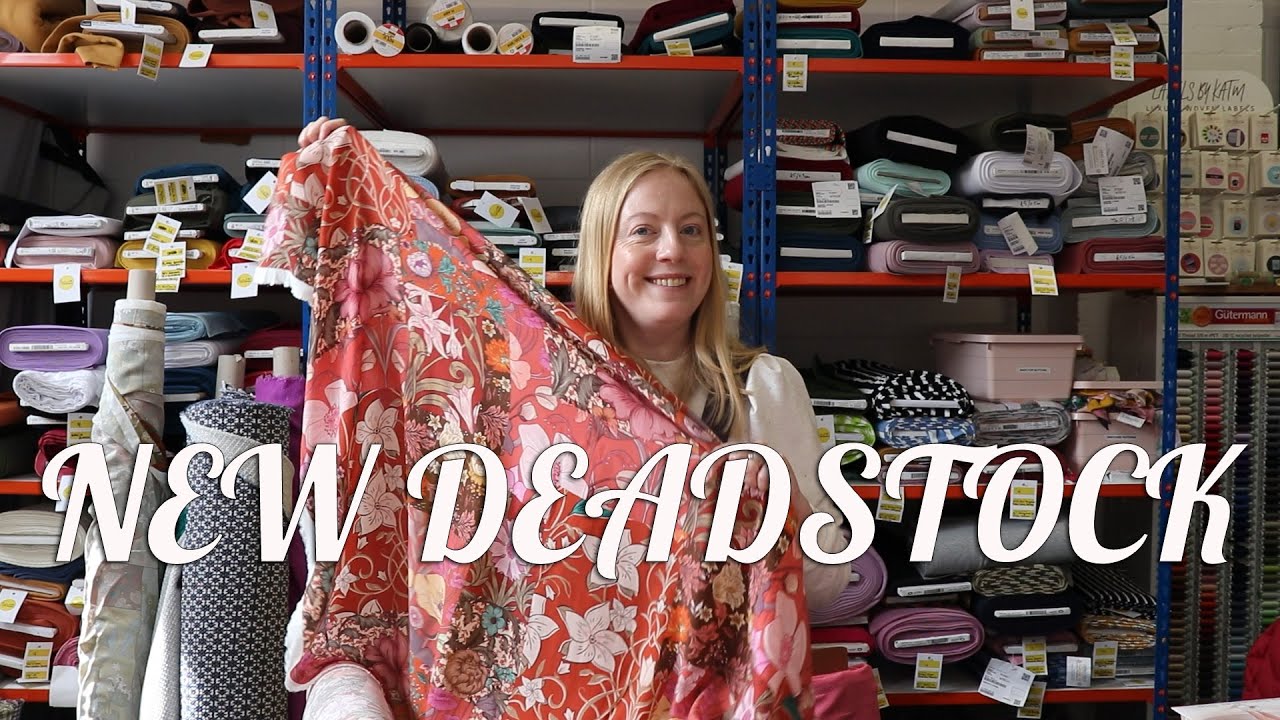
Deadstock fabrics offer a unique opportunity to embrace sustainable fashion and elevate your style game. At [Company Name], we pride ourselves on sourcing and curating exquisite deadstock fabrics, carefully selected from high-end fashion houses. These fabrics, which would otherwise go to waste, are a treasure trove of creativity and inspiration. With their limited availability, owning a piece made from deadstock fabric guarantees exclusivity. Each fabric tells a story, adding a touch of history and nostalgia to your wardrobe. Our collection of luxurious deadstock fabrics boasts a wide range of textures, patterns, and colors, ensuring there’s something for every fashion enthusiast. Whether you’re a designer, a DIY enthusiast, or a conscious shopper, our deadstock fabrics offer endless possibilities to create one-of-a-kind garments, accessories, and home decor items. By choosing deadstock fabrics, you not only contribute to reducing textile waste but also support sustainable practices in the fashion industry. Join us in embracing the beauty of deadstock fabrics and make a statement with your style while caring for the planet.
What are Deadstock Fabrics?
Deadstock fabrics refer to unused, surplus fabrics that are left over from production runs or have been discontinued by manufacturers. These fabrics are often vintage or limited edition and are no longer being produced. They are usually in pristine condition and have not been used or worn, making them a highly sought-after resource for designers and fashion enthusiasts alike.
The Sustainability Aspect of Deadstock Fabrics
Deadstock fabrics play a crucial role in sustainable fashion. By utilizing these surplus materials, designers can minimize waste and reduce the environmental impact of the fashion industry. Instead of creating new fabrics, which requires significant resources and energy, repurposing deadstock fabrics helps to conserve materials and reduce carbon emissions.
Moreover, by incorporating deadstock fabrics into their collections, designers are able to give new life to these forgotten materials, preventing them from ending up in landfills. This not only reduces waste but also fosters a more circular economy within the fashion industry.
The Advantages of Using Deadstock Fabrics
1. Unique and Limited Edition: Deadstock fabrics are often one-of-a-kind or available in limited quantities. This uniqueness allows designers to create truly original pieces that stand out from mass-produced garments.
2. High Quality: Since deadstock fabrics are unused and in pristine condition, they tend to be of superior quality compared to newly manufactured fabrics. This translates into long-lasting garments that can withstand the test of time.
3. Cost-Effective: Deadstock fabrics are typically sold at discounted prices due to their surplus or discontinued nature. This makes them an affordable choice for designers, especially those who are just starting out or working with limited budgets.
4. Ethical Sourcing: By utilizing deadstock fabrics, designers can ensure that their materials are sourced ethically. These fabrics already exist and do not require additional resources or production, reducing the need for new materials that may have been obtained through unethical practices.
Challenges in Working with Deadstock Fabrics
While deadstock fabrics have numerous advantages, there are also challenges associated with working with them:
1. Limited Availability: Since deadstock fabrics are often unique or available in limited quantities, it can be challenging for designers to source enough material for larger production runs or consistent supply.
2. Limited Color and Print Options: Deadstock fabrics are typically available in predetermined colors and prints. This lack of customization may limit design possibilities for some projects.
3. Fabric Care and Maintenance: Some deadstock fabrics may require special care or maintenance due to their age or unique characteristics. Designers need to consider these factors when working with these materials.
Where to Find Deadstock Fabrics
1. Fabric Stores and Wholesalers: Many fabric stores and wholesalers offer deadstock fabric sections or specific deadstock collections. These can be great sources for designers looking for unique materials.
2. Online Marketplaces: Numerous online marketplaces and platforms specialize in deadstock fabrics, connecting designers directly with suppliers. These platforms often provide detailed information about the fabrics, including their origin, composition, and available quantities.
3. Vintage and Thrift Stores: While not exclusively dedicated to deadstock fabrics, vintage and thrift stores can sometimes offer hidden gems and unique fabric finds. Exploring these stores can lead to unexpected discoveries.
4. Local Manufacturers and Factories: Connecting with local manufacturers and factories can be a fruitful way to access deadstock fabrics. These businesses often have surplus materials that they are willing to sell or donate.
In Conclusion
Deadstock fabrics provide an exciting opportunity for designers to create sustainable, unique, and high-quality fashion pieces. By repurposing surplus materials, the fashion industry can move towards a more circular and environmentally friendly model. While there may be challenges associated with working with deadstock fabrics, the benefits they offer make them a valuable resource for the fashion community.
“Revitalizing Fashion: Unleashing the Potential of New Deadstock Fabrics”
Video Source : Sew Me Sunshine
List of Deadstock Fabrics
Deadstock Fabrics
Deadstock fabrics refer to materials that are surplus or leftover from textile production. These fabrics are often brand new and unused, offering a sustainable and eco-friendly alternative to traditional fabric sourcing. Below is a table showcasing some interesting information about deadstock fabrics:
| Fabric Type | Origin | Characteristics |
|---|---|---|
| Organic Cotton | United States | Hypoallergenic, breathable, and biodegradable |
| Tencel | Austria | Derived from sustainably harvested wood pulp, soft and silky texture |
| Linen | Belgium | Strong, absorbent, and heat-regulating |
| Silk | China | Luxurious, lightweight, and naturally temperature-regulating |
| Wool | New Zealand | Insulating, moisture-wicking, and resistant to wrinkles |
By utilizing deadstock fabrics, fashion designers and individuals can contribute to reducing textile waste and the environmental impact of the fashion industry. These fabrics not only offer unique and high-quality choices but also promote a more sustainable and responsible approach to fashion production.